Loading docks involve several safety risks, including vehicle movement, forklift traffic, open dock edges, and heavy equipment. In this loading dock safety guide, we’re discussing the practical steps facilities can take to reduce risk and improve day-to-day operations with clear safety protocols.
Clear safety protocols help reduce confusion, create more consistent procedures, and give employees a better framework for responding when conditions change.
DuraServ works with commercial and industrial facilities on loading dock equipment, repairs, maintenance, and facility planning. Our recommendations focus on the areas that matter most for loading dock safety for facilities, including equipment condition, employee training, traffic flow, and safe loading procedures.
Guide to Developing a Compliant Loading Dock Safety Framework
For Loading Dock Design & Installation Planning
New construction and dock renovations give facility teams an opportunity to address hazards before they become part of the daily routine. During planning, consider:
- How forklifts and pedestrians will move through the area
- Where open dock positions will need barriers or fall protection
- Trailer types, bed heights, and load requirements
- Leveler capacity and operating range
- Placement of controls, lights, restraints, and doors
- Clearance around equipment for inspection and service
OSHA requires dockboards to support the maximum intended load and requires portable dockboards to be secured against movement. Loading docks with unprotected edges 4 feet or more above a lower level may also require fall protection, depending on the work being performed.
For Loading Dock Operations Managers
Managers are responsible for turning the safety plan into something employees can follow every shift. Written procedures should cover trailer arrival, restraint or chocking, dock equipment operation, loading, departure, and what to do when equipment does not function normally.
Pay particular attention to recurring workarounds. If employees regularly bypass a barrier, manually compensate for a damaged leveler, or reroute traffic around equipment, the underlying issue needs to be addressed rather than accepted as normal.
For Dock Workers
Employees working around the dock should know when it is safe to enter a trailer, operate equipment, or approach the edge of an open position.
Workers must report damaged equipment, unusual movement, failed lights, or problems with restraints before continuing work. They should never operate dock or material-handling equipment they have not been trained and authorized to use.
The Critical Importance of Loading Dock Safety
Forklift Operation and Safety Training
OSHA requires employers to ensure powered industrial truck operators are trained and competent before operating the equipment. Loading dock operations safety training also needs to address workplace conditions relevant to the job.
At the dock, drivers should approach trailers carefully, maintain a safe distance from platform edges, and confirm that the trailer and transfer equipment are ready before entering.
Loading and Unloading
Before a forklift enters a trailer, workers should confirm that the vehicle is properly secured according to applicable procedures and that the trailer floor can support the forklift and load. Uncoupled trailers may require additional support to prevent tipping or upending.
Good communication between dock workers and drivers is especially important before a trailer leaves the bay.
Loading Dock Plate Systems
Portable dockboards and bridge plates create the transition between surfaces, so movement or insufficient load capacity can become a serious hazard.
OSHA requires dockboards to support the maximum intended load. Portable dockboards must also be secured against movement and equipped with handholds or another means for safe handling.
Dock Levelers
Levelers should match the loads, trailer heights, and traffic expected at the position. Employees should not use equipment that is visibly damaged, unstable, or operating differently than normal.
Maintenance personnel should follow proper procedures before working beneath or around a raised leveler, including the manufacturer’s required means of supporting and securing the equipment.
Electrical Safety
Powered dock equipment introduces additional electrical hazards. Damaged wiring, controls, plugs, or exposed components should be taken out of service and evaluated by qualified personnel.
Keep electrical panels accessible, protect controls from impact, and include electrical components in routine equipment inspections rather than waiting for a complete failure.
Loading Dock Safety: What Equipment Does OSHA Require?
There is not necessarily one OSHA checklist requiring the same dock equipment at every facility. Requirements depend on the work being performed and the hazards present. OSHA does, however, address dockboards, fall hazards, powered industrial trucks, trailer movement, and other loading-area conditions.
The equipment below can play an important role in a safer dock system, but facilities should evaluate which controls apply to their operation.
Dock Bumpers
Dock bumpers help absorb repeated trailer contact and protect the dock face and surrounding equipment. Worn or missing bumpers can change how trailers sit against the building and may contribute to damage around the opening.
Inspect them for excessive wear, cracking, loose hardware, or uneven contact.
Vehicle Restraints
Vehicle restraints help control trailer movement during loading and unloading. OSHA permits mechanical means of securing trucks or trailers where they provide protection equivalent to required wheel chocking in applicable situations.
The restraint system should match the types of trailers that regularly use the facility, and employees need a clear procedure for confirming engagement before entering.
Dock Lights
Dock lights improve visibility inside trailers, where natural and overhead facility lighting may not reach. Better visibility helps forklift operators identify trailer-floor damage, debris, load conditions, and other problems before driving inside.
Lights should be positioned so they illuminate the working area without interfering with trailers, doors, or dock equipment.
Loading Dock Safety Barriers
Open dock positions present a fall hazard for both employees and powered equipment. OSHA addresses fall protection for qualifying unprotected loading dock edges, generally beginning at four feet above a lower level in general industry, subject to specific conditions and exceptions.
Barriers, gates, guardrails, and other protective systems can help control access when a trailer is not present.
Expert Tips on Best Practices for Loading Dock Safety Awareness
Safety procedures work better when employees can see that equipment condition and housekeeping receive the same attention as training.
Inspection
Start each shift with a quick visual review of active dock positions. Look for damaged levelers, loose components, worn bumpers, failed lights, damaged barriers, and anything unusual around the restraint system.
If something has changed, address it before the position becomes busy.
Clearing the Area
Pallet wrap, broken boards, packaging, standing water, ice, and other debris can quickly turn a working dock into a slip or trip hazard. Keep travel paths clear and make sure stored materials do not interfere with dock controls, doors, or safety equipment.
Equipment Maintenance
Maintenance should reflect actual use. A high-cycle loading position may need attention sooner than a bay used only occasionally.
DuraServ provides loading dock repair and proactive maintenance that can include inspections, adjustments, lubrication, and component testing. Regular service helps facility teams identify wear before it becomes an unexpected failure.
Training and Education
Employees should understand both the procedure and the reason behind it. Training should cover equipment operation, forklift interaction, pedestrian movement, trailer communication, and how to respond when a normal step in the process cannot be completed safely.
Review procedures when equipment changes, the dock layout is modified, or recurring incidents reveal a gap in the current process.
Trust DuraServ to Provide Top Loading Dock Safety & Services for Your Facility
Loading dock safety is easier to manage when equipment, maintenance, and facility planning are handled as parts of the same operation.
DuraServ can support facilities with:
- Proactive maintenance and equipment management designed around actual dock usage
- Custom loading dock design and planning that considers applicable OSHA requirements and facility conditions
- Loading dock repair services that help restore critical equipment and reduce operational downtime
From dock design through installation and ongoing service, our teams work with facility managers to solve the specific problems affecting each operation.
Contact DuraServ
A safer loading dock starts with knowing where the current risks are and which improvements will make a meaningful difference.
DuraServ provides loading dock equipment, design, installation, repair, and planned maintenance through commercial service locations across the country, with 24/7/365 service available through much of the network.
Find a DuraServ location near you to discuss loading dock safety equipment, maintenance, repairs, or facility improvements.
FAQs
What Regulations Apply to the Loading Dock?
Common OSHA requirements may include powered industrial truck rules under 29 CFR 1910.178, dockboard requirements under 29 CFR 1910.26, and OSHA fall protection standards (OSHA.gov) for elevated work areas. Additional rules may apply depending on the facility and the work being performed.
How Can I Make My Loading Dock Facility OSHA Compliant?
Start by reviewing the hazards present at your dock. Pay close attention to forklift training, dockboard capacity and securement, trailer movement, open-edge protection, and equipment condition. Compliance should reflect actual operating conditions, not a generic checklist.
What Are the Main Safety Hazards on Loading Docks?
Common hazards include trailer movement, forklift falls from dock edges, gaps between trailers and the dock, damaged dockboards, pedestrian conflicts, slips, and equipment failures.
How Can DuraServ Help Improve Loading Dock Safety With Quick Turnaround?
DuraServ provides repair and maintenance for dock levelers, doors, vehicle restraints, ramps, and related dock systems. Many locations also offer 24/7/365 emergency service for urgent equipment issues.
What Docking Equipment Improves Loading Dock Safety?
Depending on the facility, useful equipment may include dock levelers, dockboards, vehicle restraints, wheel chocks, safety barriers, communication lights, trailer supports, and dock lighting. The right setup depends on the risks present at each position.
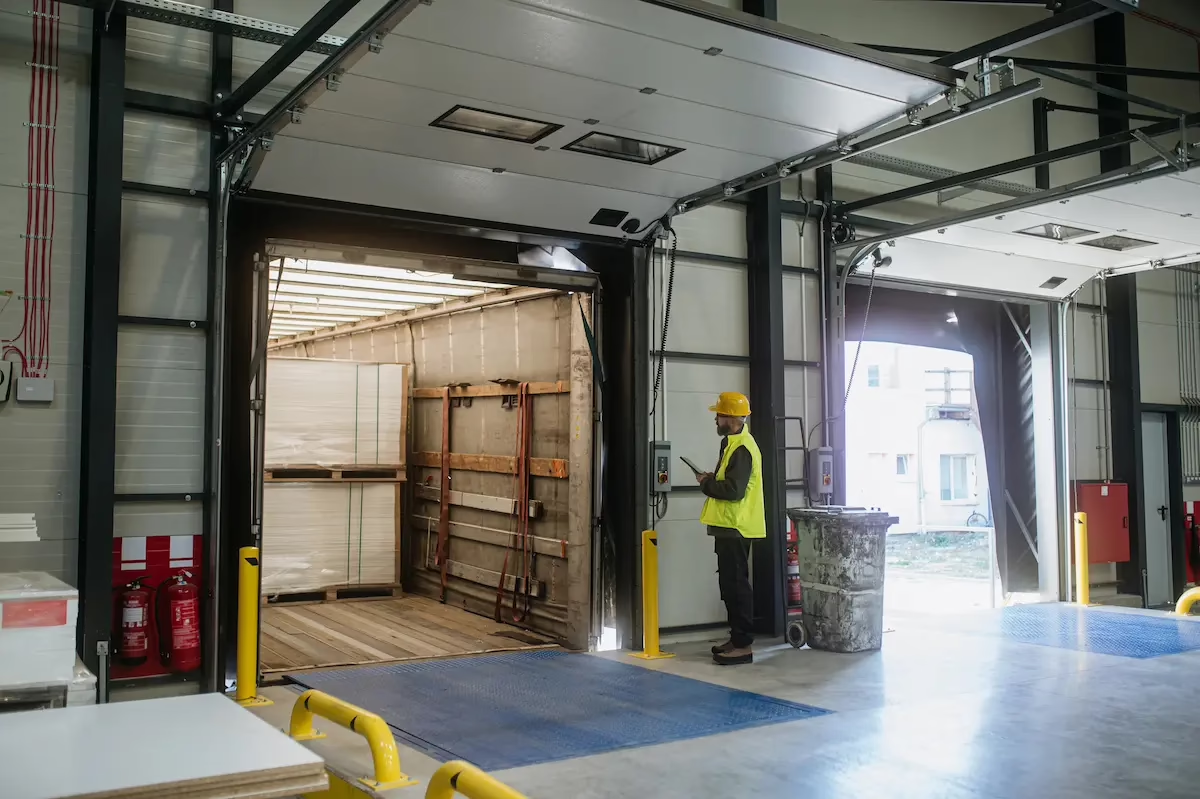
Photographer: Halfpoint / Shutterstock