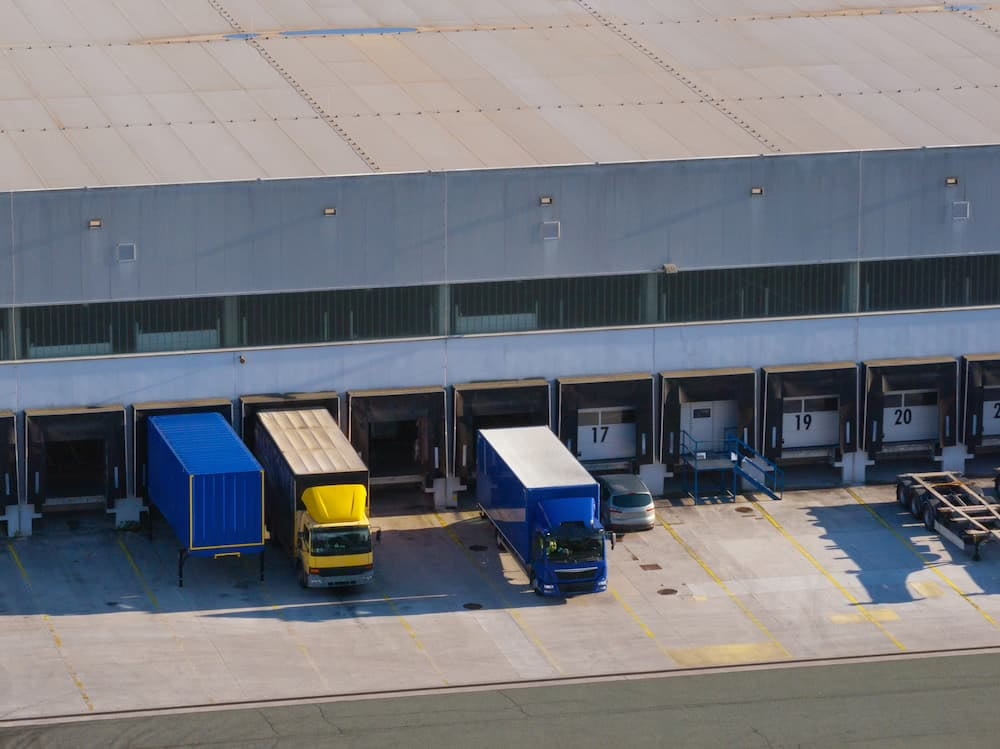
Operating a safer warehouse starts with the way the facility is designed, maintained, and used every day. Traffic patterns, loading areas, storage systems, equipment condition, and employee routines all influence how smoothly work moves through the building. A practical warehouse safety guide can help teams identify risks, set priorities, and create a more organized operation.
DuraServ works with warehouses and distribution facilities to improve the systems employees rely on throughout the day, including loading dock equipment, commercial doors, safety products, and facility layouts.
Guide to Developing a Warehouse Safety Plan
An effective safety plan should reflect the actual work taking place inside the facility. Generic rules aren’t useful if they fail to account for busy dock periods, forklift routes, storage layouts, or the equipment employees use most often.
Start by identifying where people, vehicles, and materials cross paths. Review incident reports and maintenance records for patterns, then include employees who work in those areas when evaluating possible changes.
For Warehouse Building Design & Installation Planning
Safety decisions made during facility planning can prevent difficult fixes later. Key considerations include:
- Separate people and vehicles clearly. Walkways should be easy to distinguish from forklift and equipment routes.
- Leave enough working clearance. Loading areas need room for normal movement around dock equipment, doors, conveyors, and storage systems.
- Protect high-risk areas. Barriers may be appropriate where forklifts operate near walls, equipment, or pedestrian paths.
- Plan new equipment around the workspace. A dock leveler, gate, or door should fit the way employees actually move through the area rather than simply fill available space.
For Workers
Employees are often the first to notice when something has changed. A loose dock component, damaged rack upright, blocked aisle, or door that begins moving differently may not look urgent at first, but early reporting gives the facility a chance to respond sooner.
Workers should:
- Report changes promptly. Small issues can become more serious if they are ignored.
- Use only equipment they are trained to operate. Training should reflect the actual work employees perform.
- Know who to contact when something needs attention. Reporting procedures should be clear and easy to follow.
- Avoid working around damaged equipment. Production speed should never be a reason to use equipment that may be unsafe.
For Operations Managers
Managers set the conditions that make safe work possible. Their role goes beyond responding to incidents after they happen.
- Keep inspections and maintenance on schedule. Regular reviews help catch wear before it turns into a larger problem.
- Update the safety plan as the facility changes. Increased traffic, new equipment, or revised storage layouts can introduce risks that were not part of the original plan.
- Use maintenance history as a warning sign. Repeated service calls in the same area may point to a layout issue or equipment that no longer fits the workload.
- Review how work is actually being done. Warehouse safety operations should reflect current conditions rather than a plan written years ago.
Potential Hazards
Every warehouse has areas where people, equipment, and materials can create safety risks if conditions are not well managed. Common trouble spots include loading docks, forklift routes, storage areas, conveyors, and other high-traffic parts of the facility.
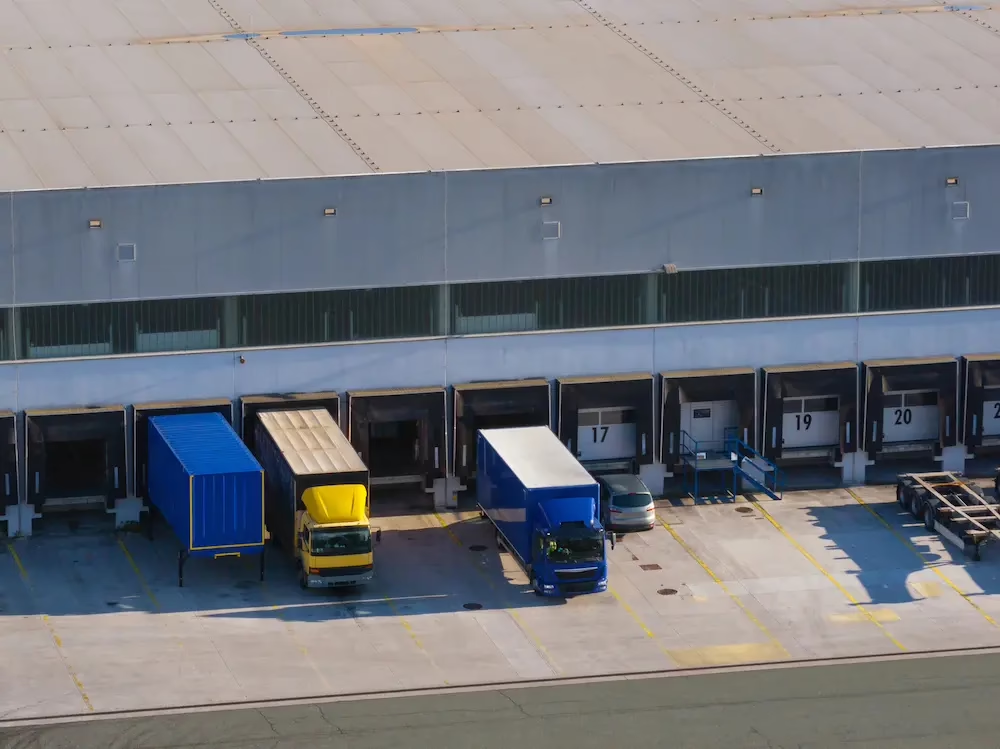
Docks
Open dock edges, trailer movement, and the transition between the building and trailer all create risk. Keep dock surfaces clear, make edges visible, and inspect levelers, restraints, gates, and doors regularly.
OSHA specifically identifies loading dock edges and wet or slippery surfaces as forklift hazards and recommends maintaining a safe distance from dock edges while keeping working surfaces clear.
Damaged equipment should be taken seriously. A leveler that sits unevenly or a gate that no longer closes properly can affect the way employees and equipment move through the bay.
Forklifts
Forklifts share space with employees, racks, dock openings, and other equipment, so traffic management matters. Establish defined routes where possible and provide clear sightlines at intersections.
Only trained and authorized employees should operate powered industrial trucks, and unsafe equipment should be removed from service until repaired. OSHA also emphasizes workplace-specific training and attention to pedestrian traffic.
Conveyors
Conveyors introduce pinch points and moving components that should remain guarded during operation. Employees also need a clear process for handling jams or maintenance rather than reaching into moving equipment.
Inspect systems regularly and keep the surrounding work area well lit and clear. OSHA recommends lockout procedures when conveyors need to be cleared or serviced.
Materials Storage
Storage systems should keep inventory stable without narrowing aisles or creating falling-object hazards. Inspect racks after forklift impacts and isolate damaged areas until the structure can be evaluated.
Do not overload shelving or allow products to extend into travel paths. Heavier items are generally easier to handle safely when stored at lower or middle levels, while loose materials should be secured against shifting or falling.
Manual Lifting and Hauling
Not every warehouse task involves powered equipment. Repeated lifting, awkward reaches, and pushing heavy carts can create strain over time.
Where possible, reduce unnecessary manual handling by using carts, lift equipment, or better storage heights. Employees should also have enough room to position themselves properly instead of lifting around pallets, racks, or other obstacles.
Employee Ergonomics
Ergonomics goes beyond lifting technique. Repetitive motion, frequent overhead reaching, awkward posture, and poorly positioned workstations can all contribute to fatigue and musculoskeletal injuries. OSHA identifies these as common warehouse risk factors.
Review tasks that employees repeat throughout a shift. Sometimes a small layout change, different shelf height, or improved material-handling tool can remove unnecessary strain without changing the entire process.
Hazard Communication
Warehouses that store or use hazardous chemicals need clear labeling, accessible safety information, and employee training appropriate to the materials present.
Keep the proper Safety Data Sheets available and update the facility’s chemical inventory as products change. Employees should know how to respond to spills or exposure and where required protective equipment is located. OSHA’s Hazard Communication Standard applies when workers may be exposed to hazardous chemicals during normal use or a foreseeable emergency.
Charging Stations
Forklift battery charging areas need their own controls because charging can introduce electrical, chemical, and fire hazards.
Keep the area designated for charging and protect equipment from vehicle impact. Proper ventilation and appropriate fire protection are also important, particularly where batteries may release gases during charging. OSHA includes these measures in its powered industrial truck requirements.
Other General Hazards
Good housekeeping remains one of the simplest ways to prevent problems. Keep aisles clear and address damaged flooring, poor lighting, spills, or loose materials promptly.
Also review areas where employees may be working near automated equipment or moving machinery. As warehouse technology changes, new equipment can introduce struck-by, caught-between, or access hazards that were not part of the original facility plan.
Comprehensive Warehouse Safety Plans & Proactive Maintenance
A safety plan is only effective if the facility implements it consistently. Inspections and preventive maintenance give teams a regular opportunity to catch wear, changing conditions, or equipment damage before those issues begin affecting the rest of the operation.
Ideally, a long-term plan should include:
- Maintenance based on actual use. A heavily traveled dock door or leveler may need more frequent attention than equipment used only occasionally.
- Repair records that reveal patterns. Repeated service calls can help managers decide when replacement may be more practical than another repair.
- Reviews of connected systems. A dock door, leveler, restraint, gate, and nearby traffic pattern all influence the same work area, so it helps to evaluate them together.
- Facility improvements that match daily operations. Layout changes, safety equipment, and new installations should support the way employees and vehicles move through the building.
DuraServ supports a proactive approach with warehouse safety equipment, facility system planning, installation, and ongoing service. Our team can help evaluate current conditions and recommend improvements that make sense for the facility.
Safe warehouse operations depend on equipment and layouts that support the way work actually happens. When those systems are maintained and configured properly, employees can move through the facility with fewer obstacles and less need to work around recurring problems.
Warehouse Safety FAQs
What should a warehouse safety plan include?
A warehouse safety plan should address traffic flow, equipment use, loading areas, storage, emergency procedures, and routine inspections. It should also be updated as the facility changes.
How often should warehouse equipment be inspected?
Inspection frequency should reflect how heavily the equipment is used. High-traffic dock doors, levelers, and safety systems may need more frequent checks than equipment used occasionally.
What are the most common warehouse safety hazards?
Common hazards include forklift traffic, open dock edges, damaged storage racks, conveyor pinch points, poor housekeeping, and unsafe manual handling practices.
How can preventive maintenance improve warehouse safety?
Preventive maintenance helps identify worn or damaged components before they create larger safety or operational problems.
Build a Safer, Better-Prepared Warehouse With DuraServ
As your warehouse changes, safety practices and equipment may need to change with it. DuraServ can help you plan updates that fit the way your facility operates today and support safer, more efficient work.
Contact DuraServ to discuss your facility and identify practical opportunities to strengthen safety across your operation.
Photographer: 24K-Production / Shutterstock