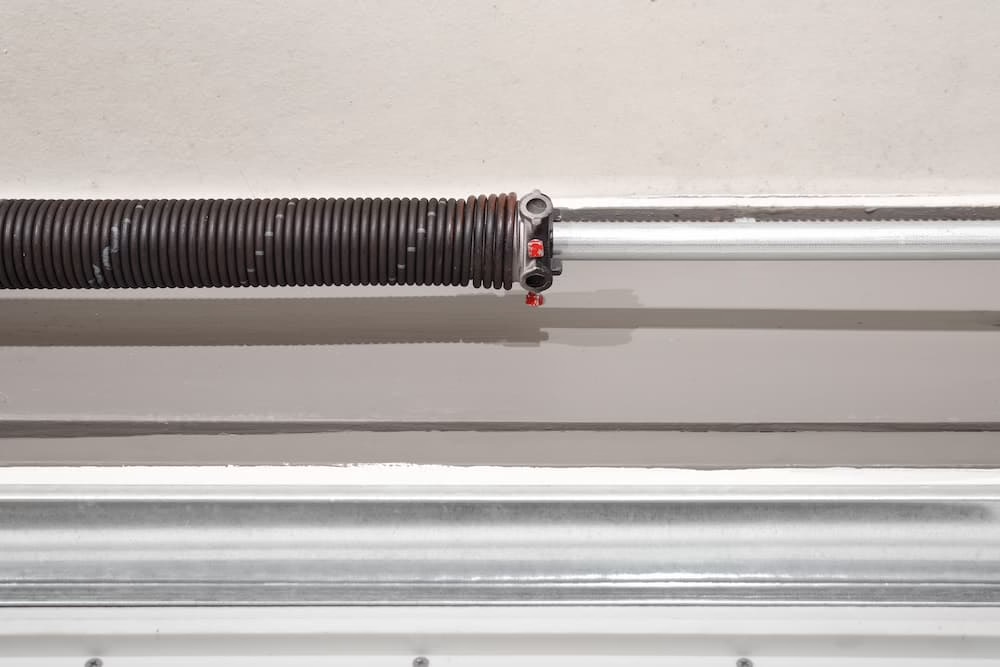
Most garage door spring failures aren’t truly “out of nowhere.” Springs wear down quietly over time, and small factors like rust, temperature swings, and missed maintenance can speed things up. If you’ve been wondering, “Why do garage door springs break?” It usually comes down to a few common causes that are easy to understand once you know what to look for. In this article, DuraServ covers key details on what causes a garage door spring to break and what to do.
Understanding the Role of Your Garage Door Springs
Garage doors are heavy. Springs counterbalance that weight, so your opener isn’t doing the full lift. When springs are healthy, the door moves smoothly and feels surprisingly manageable. When they’re worn, everything in the system works harder: the opener, cables, rollers, tracks, and the door itself.
Garage Torsion Springs vs. Extension Springs
Most homes use one of two types:
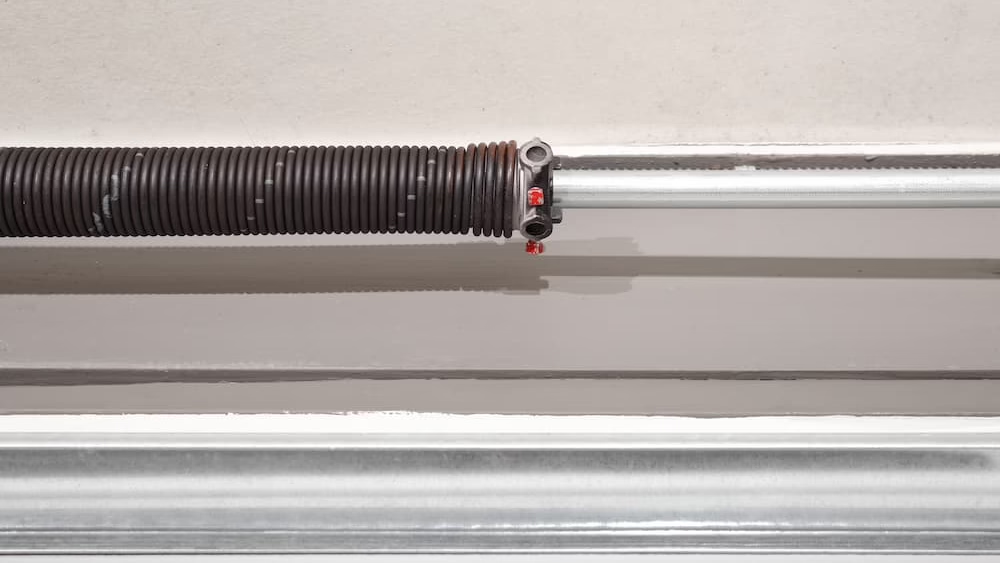
- Torsion springs sit above the door on a metal shaft. They twist to store energy and provide smooth, controlled lifting.
- Extension springs run along the sides of the door and stretch as the door moves.
The Physics of Tension
Springs are under serious tension every time the door moves. Think of each opening and closing as a “workout” for the steel. Over time, that repeated stress changes the metal at a microscopic level. Tiny cracks can form, the steel fatigues, and eventually the spring reaches a point where it can’t hold the load anymore.
Top Reasons Why Garage Door Springs Break
Standard Wear and Tear (Cycle Life)
Every spring has a rated cycle life. Many standard residential springs are rated somewhere around 10,000 to 20,000 cycles, and each full open-and-close counts as one cycle.
This is the most basic answer to “Why does a garage door spring break?” It simply reached the end of its working life.
Rust and Corrosion
Rust isn’t just cosmetic. When moisture settles on the spring, the coils can start to corrode, creating extra friction as the spring winds and unwinds. Over time, that friction wears the steel down faster and can cause the spring to bind slightly instead of moving smoothly.
If your garage stays humid or you live near salty coastal air, rust tends to show up sooner and shorten spring life.
Lack of Proper Maintenance
When springs run dry, they can squeak, bind, and wear faster. Light lubrication helps reduce friction and keeps movement smooth. Maintenance also includes basic system checks, like making sure the door is balanced and the hardware is in good condition, because a stressed door strains the springs.
Extreme Temperature Fluctuations
Steel reacts to temperature changes. In cold snaps, metal can become more brittle. This increases the likelihood of a sudden break, especially if the spring is already near the end of its life. In areas with big seasonal swings, spring failures often show up during the first stretch of very cold weather.
Improper Installation or Incorrect Spring Size
The spring has to match the door. If a spring is the wrong wire gauge, length, or strength rating, the system won’t balance correctly. That can lead to a door that feels heavy, slams shut, or strains the opener. It also forces the spring to work outside its intended range, which speeds up fatigue.
This is one of many reasons that professional measurement and proper sizing matter so much when springs are replaced.
Signs Your Garage Door Spring Has Already Broken
A Loud Bang or “Gunshot” Sound
Many homeowners describe the sound as a sharp bang that echoes in the garage, almost like something fell off a shelf, or a firecracker went off. That noise is the spring snapping under tension.
The Door Refuses to Lift
If the spring breaks, the opener may hum, strain, or stop. In many cases, it won’t lift the door at all, and it shouldn’t. Garage door openers are not designed to lift the full weight of the door without spring support.
Visible Gaps in the Spring
With torsion springs, you can often see the break. Look above the door: a broken spring usually has a visible gap of an inch or two where the coil has separated. If you see that gap, assume you have a garage door spring that’s broken, and stop operating the door.
Cables Are Loose or Frayed
When a spring fails, the lifting system can lose tension, and cables may look slack or begin to fray. Sometimes a broken spring leads to a cable coming off the drum, which can cause the door to jam or hang unevenly.
The Dangers of DIY Spring Replacement
High-Tension Risks
Garage door springs are not a casual DIY project. Winding and unwinding springs require specialized tools and training. A slip can lead to serious injury because the spring is storing a large amount of energy. Even experienced DIYers get hurt attempting spring work without the correct equipment and process.
Preventing Secondary Damage
A spring repair done incorrectly can damage the door and opener. Common results include bent tracks, cracked panels, stripped gears, or an opener motor that burns out from overwork. What starts as a spring issue can quickly turn into a much larger repair bill.
How to Prevent Garage Door Spring Failure
Routine Lubrication
Use a silicone-based garage door lubricant (not heavy grease) and apply a light coat to the spring coils. This helps reduce friction and slows corrosion. If your springs are noisy, lubrication often makes a noticeable difference quickly.
Periodic Balance Tests
A simple balance test tells you if the spring is still doing its job. With the door closed, disconnect the opener using the emergency release cord (only if the door is fully closed). Lift the door to about waist height and let go carefully.
- If the door stays in place, the spring balance is likely okay.
- If it drops quickly or shoots upward, the system may be out of balance and needs professional adjustment.
Professional Annual Tune-Ups
An annual inspection is the best way to catch wear early. A technician can check spring condition, door balance, cable wear, roller function, and track alignment. These small checks help prevent bigger failures and keep the system running smoothly.
Expert Garage Door Repair & Maintenance Services
Residential Support
DuraServ provides residential garage door repair and maintenance, including inspections for broken garage door spring repair and replacement service. If your door is noisy, heavy, or inconsistent, it’s worth having it checked before the spring fails.
Commercial Solutions
For businesses with high-cycle overhead doors, DuraServ also supports heavy-duty spring replacement and service through commercial overhead door repair and maintenance. High-use doors need spring systems that match the workload and are maintained proactively.
Contact DuraServ for Fast, Reliable Spring Replacement
If you suspect a broken spring, do not attempt to operate the door. Contact your local DuraServ team for safe, professional repair and 24/7 emergency service today.
Photographer: sophiecat / Shutterstock